Let’s face it: acquiring new app users can feel like a brutal race to the bottom. You want a steady stream of users to download, engage, and stay loyal to your app—but the cost of acquisition is rising fast. Whether it’s paid ads, influencer campaigns, or SEO, the expenses pile up quicker than your app’s features list. But here’s the truth—it doesn’t have to be this way.
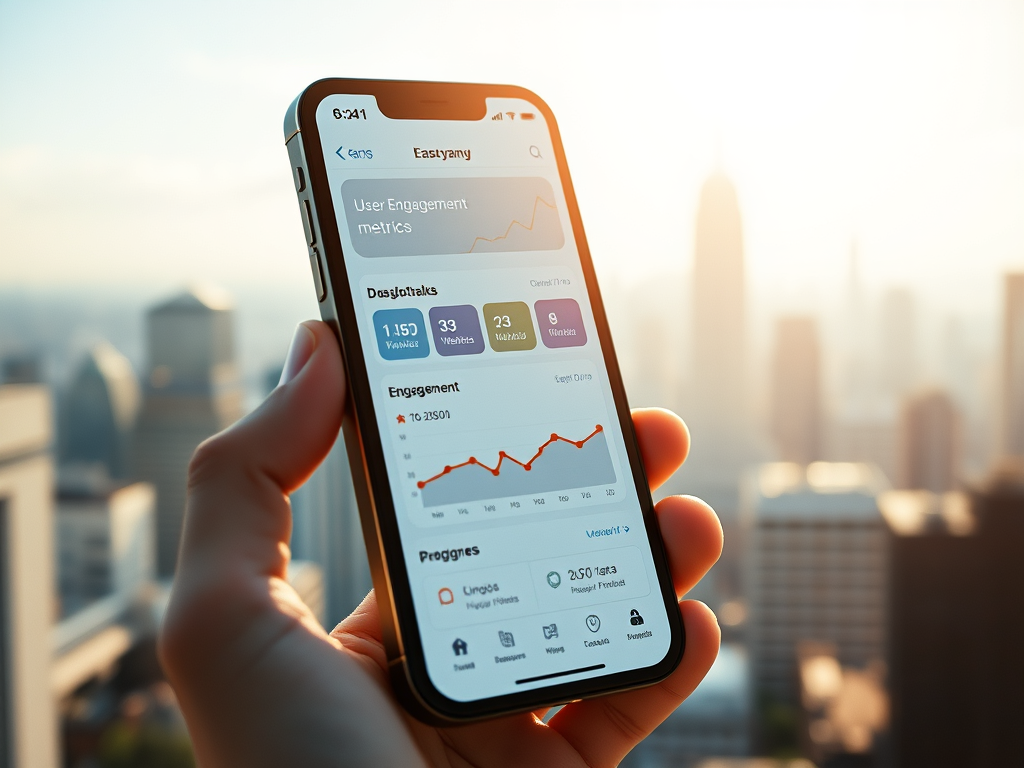
What if I told you that the secret to acquiring customers for your app can be hiding in plain sight? What if the key to scaling your app wasn’t only about pouring more cash into ads or influencer deals, but about switching up your game and shifting your focus from app flow to web flow?
In this article, I’m about to break down how you can leverage your web presence to bring in customers for your app for way less than the conventional, often expensive methods. I’ll explain how to create effective, low-cost strategies to drive users from web flows to app downloads and turn your marketing budget into a tool for growth rather than a never-ending expense.
Why Web Flow is a Goldmine for App Customer Acquisition
First, let’s talk about the current landscape. App marketing can be incredibly expensive. Ads on social media, search engines, and influencer partnerships can take up a huge chunk of your budget. But guess what? Web flow—i.e., leveraging your website, landing pages, blogs, and search engine optimization (SEO)—is underestimated when it comes to app user acquisition.
Here’s why this is a game-changer:
- Cheaper and More Sustainable: While it may take time to see the results, organic traffic from your website can be far cheaper than paid ads. A well-optimized website can bring in visitors who are already curious about what you have to offer—at no extra cost.
- Highly Targeted Users: With the right strategies in place, people who land on your site are already actively searching for solutions you offer. They’re not just passively scrolling through Instagram or TikTok, they’re looking for something that will help them. This is qualified traffic—aka users who are more likely to download your app.
- Build Trust and Authority: A strong web presence establishes credibility. When customers see you on multiple platforms (your website, social media, blogs), they start to trust you more. Once you’ve established this, convincing them to download your app becomes a lot easier.
So, how do we make this work? Here are actionable steps to shift from app flow to web flow.
1. Create a Seamless Journey from Web to App
The transition from web visitor to app user should feel effortless. Here’s how to do it:
- App Banners: Place clear, compelling banners or pop-ups on your website that encourage users to download your app. Make the value proposition crystal clear—show how using the app will enhance their experience.
- Landing Pages: If you have specific promotions or offers, create dedicated landing pages that guide users to the app. Tailored CTAs (Calls to Action) like “Get the App” or “Download for Exclusive Offers” work wonders.
- App Store Links: Make sure every relevant page has direct links to the app on Google Play or the Apple App Store. Users shouldn’t have to search for your app—they should be able to click a button and go straight to it.
2. Leverage SEO and Content Marketing for Long-Term Growth
One of the most effective ways to generate cheap app downloads is driving traffic through content marketing and SEO. Think about it—people who search for topics related to your app are primed for conversion. Here’s how to start:
- Blog Content: Write blog posts about how your app solves specific problems. If you run a fitness app, write about health tips, nutrition advice, or workout plans, and mention how your app can help users achieve their goals.
- SEO-Optimized Pages: Optimizing your website for search engines isn’t just for blog posts. You can optimize your app’s landing page to target relevant keywords, making it easy for users to find your app organically.
- Guest Posts and Backlinks: Contribute guest posts to reputable blogs in your niche and link back to your app’s website. This improves SEO and helps build credibility.
3. Tap Into Referral Programs and Word of Mouth
A huge win for your marketing budget is word of mouth. People trust recommendations from friends and family more than any ad campaign. Here’s how you can tap into this powerful tactic:
- Referral Programs: Create a referral program that rewards your existing users for referring others. For example, offer users extra features or discounts for every friend they get to download your app.
- Shareable Content: Encourage users to share your app’s benefits on their own social media. This can be through shareable graphics, success stories, or even testimonials from your existing customers.
4. Utilize Social Proof and User-Generated Content
Nothing speaks louder than social proof. When potential users see other people enjoying your app, they’ll feel more comfortable downloading it. Here’s how to incorporate it into your marketing strategy:
- Customer Reviews: Showcase real reviews on your website, social media, and even within your app description on the app store. The more positive feedback you gather, the more convincing it will be to new users.
- Case Studies: Create case studies on how your app has helped real users. This can be in the form of video testimonials, blog posts, or social media highlights. People want to know how you’ve solved problems before they take the leap themselves.
5. Retargeting and Engagement
When users land on your site but don’t download the app right away, don’t give up on them. Retargeting is a smart way to bring those visitors back. You can use retargeting ads or email campaigns to remind them of the app and its value.
Retargeting isn’t just about getting them back—it’s about reminding them why they should care in the first place. Use engaging content, limited-time offers, or new features to bring them back into your flow.
Conclusion: Embrace Web Flow to Revolutionize Your Acquisition Strategy
Here’s the bottom line: You don’t need to break the bank to acquire customers for your app. By focusing on web flow—leveraging SEO, content marketing, referrals, and retargeting—you can build a sustainable, cost-effective strategy that brings in new users at a fraction of the traditional cost.In 2025, the apps that will thrive aren’t just the ones with the biggest ad budgets—they’re the ones that understand the power of web-based strategies and drive long-term value for their users. Now’s the time to rethink your approach, get creative with your web flow, and start building a customer base that grows organically and cost-effectively.
 by Martin Pino
Leave a comment