Ever wonder what would happen if you stripped people of their identities and shoved them into roles of power and submission? No, it’s not the plot of a dystopian novel—it’s real. The Stanford Prison Experiment is one of those stories that hits like a sucker punch to the gut, making you question everything you thought you knew about human behavior.
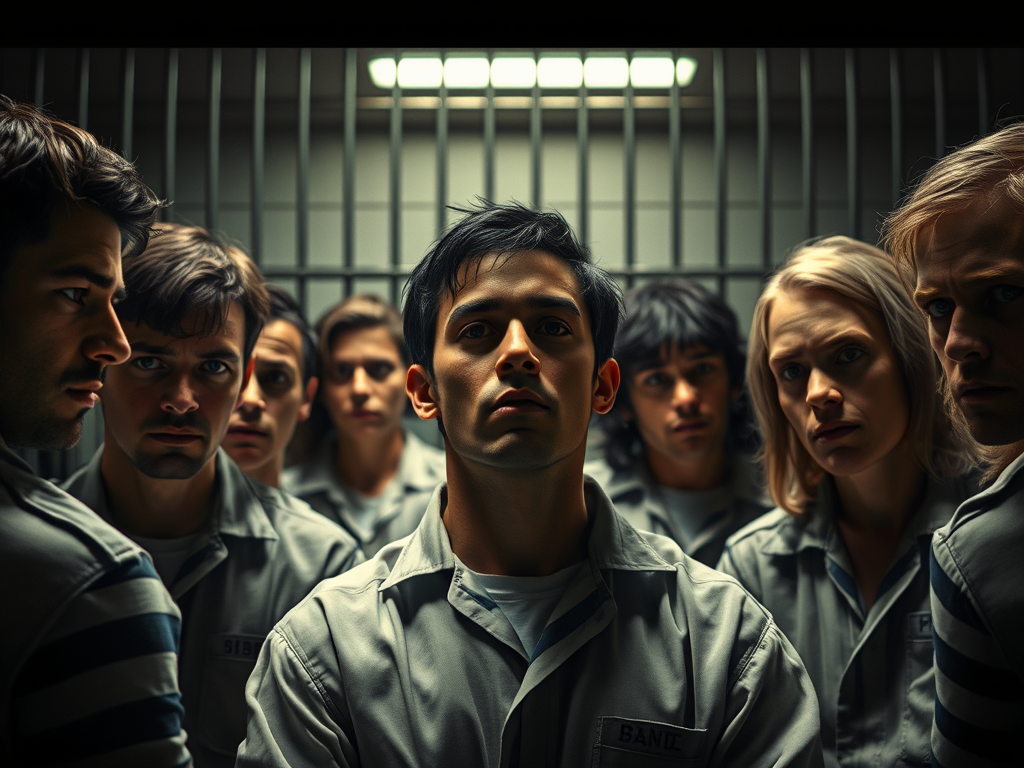
Let’s dive into the chaos, control, and mind-blowing revelations of an experiment that went way off the rails—and why it matters more than ever.
A Social Experiment Turned Nightmare
Picture this: It’s 1971. A quiet basement at Stanford University is transformed into a makeshift prison. Dr. Philip Zimbardo, a psychologist with a penchant for bold experiments, recruits 24 healthy, “normal” college students. The idea? Half would play prisoners, the other half guards, and everyone would act out their roles for two weeks.
What happened next wasn’t just shocking—it was horrifying.
Within hours, guards were handing out humiliating punishments, prisoners were breaking down emotionally, and Zimbardo himself—supposed to be the neutral observer—got so caught up in the drama that he didn’t see the disaster unfolding. The experiment, planned for 14 days, was shut down after just six.
Power Corrupts Faster Than You Think
Here’s the kicker: the guards weren’t evil. The prisoners weren’t inherently weak. These were everyday people, no different than you or me. What changed? The environment. The roles. The power.
The guards—armed with authority and zero accountability—let that power go to their heads. They began doling out punishments, stripping prisoners of their dignity, and enjoying the control. Prisoners, on the other hand, spiraled into despair, rebellion, and submission.
The experiment’s message is loud and clear: circumstances shape behavior.
Why It Matters Today
Let’s be real—most of us aren’t stepping into a psychological experiment anytime soon. But the lessons from the Stanford Prison Experiment ripple through workplaces, schools, governments, and even our personal lives.
- Toxic Work Environments: Ever had a boss who acted like a dictator the moment they got promoted? Power doesn’t change character—it reveals it.
- Groupthink: In any hierarchy, people tend to fall in line, even when something feels wrong. The experiment reminds us to question authority when it crosses the line.
- Empathy vs. Judgment: It’s easy to label the guards as villains and the prisoners as victims. But the truth? We all have the capacity for both.
What Can We Do About It?
The Stanford Prison Experiment forces us to confront an uncomfortable truth: we’re more influenced by our environments than we care to admit. But here’s the empowering part—we can change those environments.
1. Create Accountability
Unchecked power leads to abuse. Whether you’re a CEO or a team lead, transparency and accountability are non-negotiable. Build systems that ensure power is earned, not exploited.
2. Speak Up Against Injustice
It takes courage to challenge authority, but history proves it’s essential. If you see something wrong—whether in your office, community, or relationships—don’t stay silent.
3. Cultivate Empathy
Before jumping to conclusions about someone’s actions, consider their circumstances. Could you behave differently in their shoes? This simple shift in perspective can spark understanding and change.
The Experiment We’re All Living
Here’s the mic-drop moment: The Stanford Prison Experiment isn’t just about a basement at Stanford. It’s a mirror. A reflection of how fragile our morality can be when roles, rules, and power dynamics are at play.
So, the question isn’t, “What happened in that experiment?” It’s, “What would I do?”
Would you speak out as a prisoner? Would you wield power with integrity as a guard? Or, like Zimbardo, would you watch the chaos unfold, convincing yourself it’s all for a good cause?
The answers aren’t easy, but they’re worth exploring—because awareness is the first step to change.
Conclusion: Be the Change
The Stanford Prison Experiment leaves us with a powerful challenge: Don’t let circumstances dictate who you are. Whether you’re managing a team, navigating a tough situation, or simply living your daily life, remember—your actions shape the world around you.
Power can corrupt. But it can also empower, inspire, and transform—if you choose to wield it wisely.
 by Martin Pino
Leave a comment