Have you ever read something so perfectly aligned with your thoughts that you felt it was plucked straight from your mind? Now imagine that instead of painstakingly crafting those words yourself, an AI—ChatGPT—did it for you. Scary? Amazing? A bit of both.
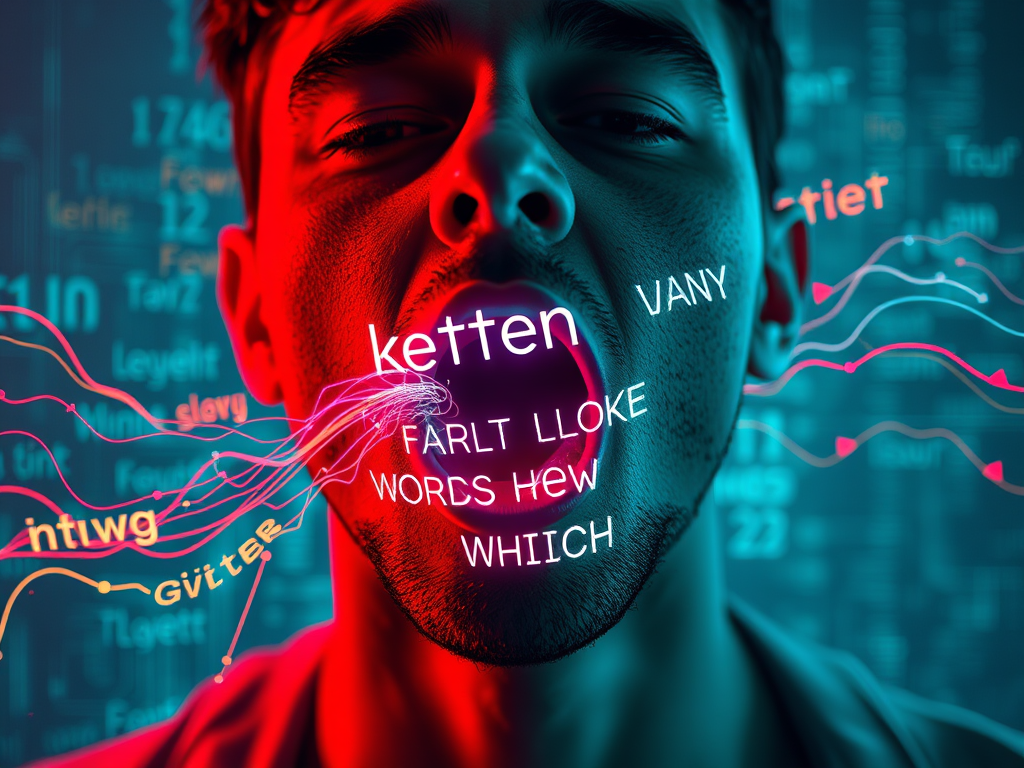
This phenomenon isn’t just a quirky curiosity; it’s a glimpse into a deeper question about creativity, authorship, and identity in the age of artificial intelligence. If all you do is type a prompt and the AI produces something that feels like “you,” who really wrote it?
Let’s dive into this fascinating tension between human intention and machine articulation.
The Magic of ChatGPT: Saying What You Mean, But Better
Writing is hard—really hard. It’s not just about having ideas; it’s about finding the right words, structuring them cohesively, and delivering them with impact. Enter ChatGPT, with its vast vocabulary and narrative prowess, transforming fragmented thoughts into beautifully expressed essays, articles, or even poetry.
Here’s the kicker: when you read what ChatGPT generates based on your prompts, it doesn’t feel like someone else’s work. It feels like yours—just better. It’s sharper, more eloquent, and way more organized than the jumbled thoughts in your head.
This uncanny resonance creates a paradox: Did you write it because you initiated the idea, or did the AI because it executed it so perfectly?
Why ChatGPT Feels Like a Mirror of Your Mind
- Prompts Are Personal
The way you phrase a prompt, the specific words you choose, and the examples you include all reflect your unique voice. ChatGPT might do the heavy lifting, but its output is shaped by your input. - Empathy in Algorithms
ChatGPT doesn’t just spit out facts; it “understands” tone, style, and nuance (in a technical sense). When it mirrors your emotional undercurrents, it feels less like technology and more like collaboration. - Filling the Vocabulary Gap
Let’s face it: most of us don’t have an endless repertoire of words or rhetorical techniques. ChatGPT bridges that gap, creating an output that feels aspirational—something we wish we could have written ourselves.
Are You Still the Author?
Authorship has always been a gray area. When an editor refines your writing, it’s still considered yours. When an artist uses a tool to enhance their work, the creativity is still theirs.
With ChatGPT, though, the line is blurrier because the tool isn’t just refining—it’s generating. So, does authorship lie in the act of initiation (the prompt) or in the execution (the response)?
The Case for “Yes”
- The core ideas are yours.
- Your prompt directs the AI’s creativity, shaping its output.
- The emotional resonance you feel with the text ties it to your identity.
The Case for “No”
- The AI provides structure, tone, and vocabulary you might not have achieved alone.
- Without ChatGPT, the words wouldn’t exist in that form.
Implications for Creativity and Identity
The way we define creativity and authorship will evolve alongside AI tools. Here are some takeaways:
- Collaboration Over Competition
Using ChatGPT doesn’t diminish your creativity; it amplifies it. Think of it as a co-author who doesn’t demand credit but ensures your ideas shine. - A Tool, Not a Threat
ChatGPT doesn’t replace your voice—it enhances it. The art of crafting a great prompt is still uniquely human, and that skill is what keeps the process personal. - Ethics of Disclosure
Should you acknowledge when AI contributes to your writing? In professional settings, transparency builds trust. On personal projects, it’s up to you.
How to Harness ChatGPT Without Losing Yourself
- Master the Prompt
The better your prompts, the more aligned the output will be with your thoughts. Experiment with tone, style, and specificity to find what resonates. - Edit With Intention
Treat ChatGPT’s output as a first draft. Review, refine, and inject your personal touch to ensure the final product feels authentically “you.” - Blend Creativity and Technology
Use ChatGPT to tackle writer’s block, brainstorm ideas, or explore perspectives. Let it inspire, not define, your work.
Conclusion: The Best of Both Worlds
At its best, ChatGPT is like an amplifier for your inner voice. It takes your fragmented ideas and turns them into something coherent, compelling, and even beautiful. But it’s important to remember that while the words might belong to the AI, the soul of the content—the intent, the emotions, and the perspective—is all yours.
So, the next time ChatGPT expresses your thoughts better than you could, don’t see it as a replacement for your creativity. See it as a reflection of your potential—and an opportunity to write not just with your mind, but with the best version of your voice.
 by Martin Pino
Leave a comment