Where Are You Really From? Let’s be real—the question, “Where are you from?” has always felt a little loaded. It’s supposed to pinpoint you, slap a label on your origins, and put you neatly in a box. But here’s the kicker: none of us are 100% from anywhere. Humans have been moving, mingling, and mixing for millennia. We’re a patchwork of places, cultures, and histories. And honestly? That’s our superpower.
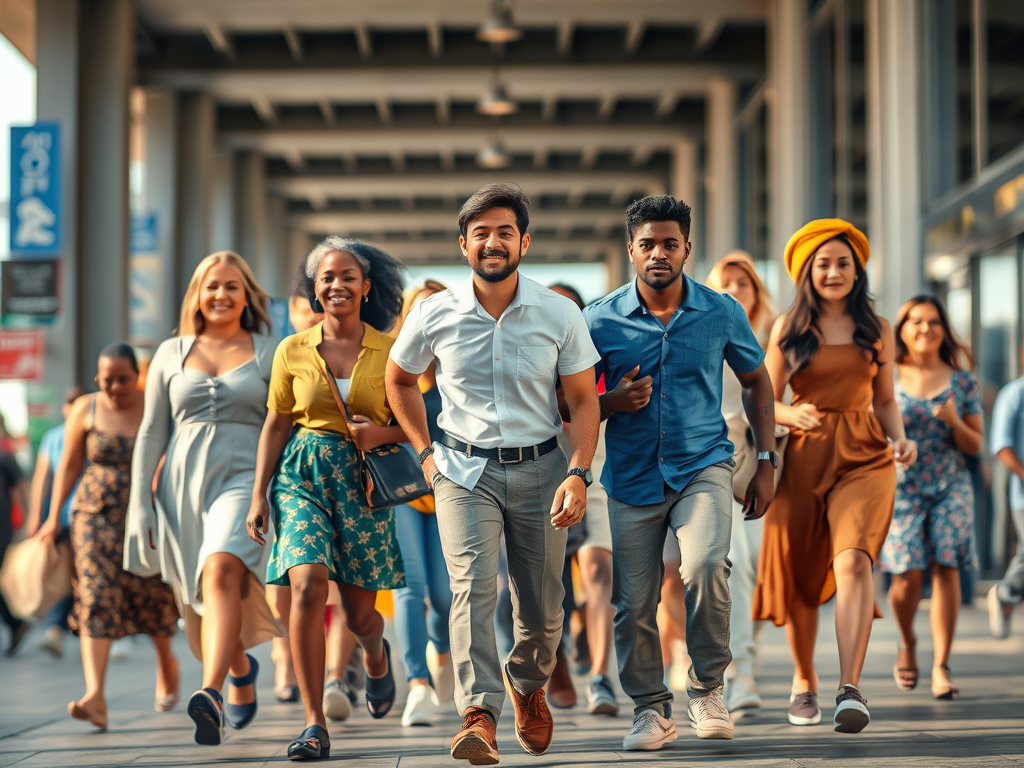
1. The Nomadic Nature of Humanity
Humans have never stayed in one place for long. Migration is hardwired into our DNA. From ancient hunter-gatherers crossing continents to modern families chasing opportunities across borders, movement defines us.
Why It Matters:
- Cultural Fusion: Every great cuisine, language, or tradition is the result of cultures blending together.
- Shared Ancestry: The further you trace your family tree, the blurrier those borders get. Spoiler alert: we’re all cousins, one way or another.
- Global Perspective: Understanding that we’re all connected makes us more empathetic and open-minded.
Example: Think about jazz music—a uniquely American art form born from African, European, and Caribbean influences. Or consider your favorite fusion restaurant. Humanity’s strength is in its mixing.
2. Breaking the Myth of “Pure Origins”
Let’s ditch the fantasy of being 100% anything. DNA tests have already proven that we’re all a blend of multiple lineages.
Why It Matters:
- Identity Beyond Borders: You’re more than a passport or a birthplace.
- Celebrate Complexity: Instead of “where are you from,” ask, “what stories made you who you are?”
- Challenge Divisions: Nationalism thrives on the idea of “us vs. them.” But when you realize “them” is also “us,” those walls crumble.
Example: Take a DNA test story: someone discovers they’re part Scandinavian, part West African, and part Southeast Asian. Suddenly, their world expands, and so does their sense of self.
3. The Power of Movement in Personal Growth
Moving isn’t just physical; it’s mental, emotional, and transformative. Whether you’re crossing state lines, oceans, or stepping out of your comfort zone, movement shapes who you are.
Why It Matters:
- Adaptability: Every new environment teaches resilience and creativity.
- Connection: Travel and migration create shared experiences that transcend borders.
- New Stories: Your journey becomes part of a larger narrative that inspires others.
Example: Think about refugees rebuilding lives in new countries, blending their culture with their host’s. Or digital nomads who call the whole world their office. Movement isn’t just survival; it’s innovation.
4. Redefining “Home”
Home isn’t a single place. It’s a feeling, a community, or even a collection of memories. Let’s redefine what it means to belong.
Why It Matters:
- Inclusivity: When we see the world as our home, everyone belongs.
- Freedom: You’re not tethered to one place; you can build a life anywhere.
- Unity: The planet becomes a shared responsibility when we stop seeing it as divided territories.
Example: A third-culture kid who grew up in three countries but finds “home” in friendships, not flagpoles.
Conclusion: We’re All From Everywhere
Here’s the truth: the borders that separate us are human inventions. The connections that unite us? They’re universal. Instead of asking “where are you from?” let’s start asking “where are we going—together?” The world isn’t a collection of isolated places; it’s a shared journey. And the sooner we embrace that, the better we’ll all be.
 by Martin Pino
Leave a comment